
Complete accessible reading edition

Who Controls the Image?
Capture, generation, editing and proof are becoming one contested system. MANAZYR reads July 2026 for visual creators.
This web edition carries the complete editorial argument, reporting, opinion, test plans, sources and visual-rights record in a semantic reading order. The PDF remains the art-directed edition.

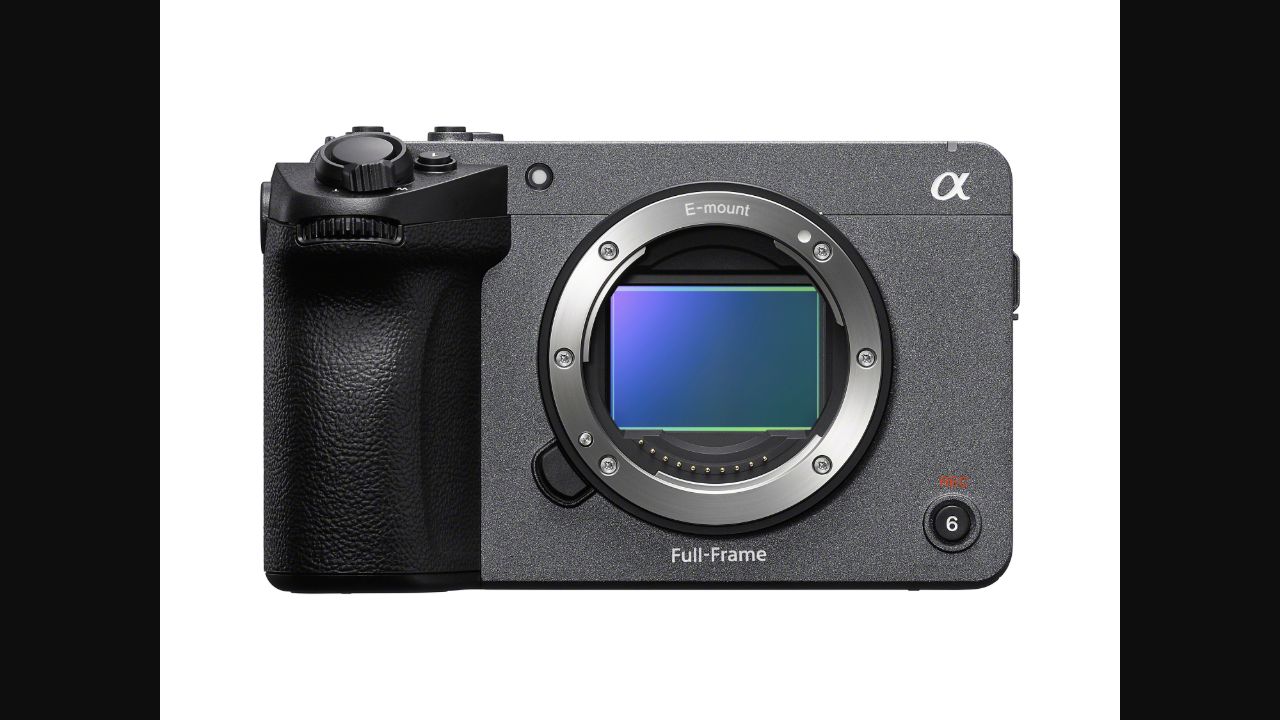
Sony FX5 official press image · Sony Europe / Media Use · content unmodified.
The editorial contract
A contract with the reader
This magazine is not a catalogue of launches. It is a monthly argument about what new technology changes for people who make images.
Reporting
Facts are rebuilt from primary or official sources and dated to the July event window. A product announced in July but shipping in August stays marked as announced.
Interpretation
Analysis and opinion are labelled MANAZYR VIEW. They do not inherit the authority of a specification sheet.
Claims
Manufacturer performance numbers remain vendor claims until independent testing supports them.
Images
Every photograph in this edition is real. Exact product photography is used only where documented editorial-use permission exists; contextual photographs are captioned as context.
- Confirmed
- Documented by a primary source.
- Available
- Released in the stated market or channel.
- Announced
- Official, but not yet available at editorial close.
- Private access
- Not a generally available public tool.
- Roadmap
- Promised for a future version; delivery is not guaranteed.
- Not tested
- MANAZYR has not independently measured the claim.
Editor’s letter
July was a control month
The most important changes did not arrive as one spectacular invention. They appeared at different points in the same image pipeline — and together they moved authorship, responsibility and risk.
Sony’s FX5 is a camera story, but its deeper meaning is about delivery. Open Gate and internal X-OCN let one compact body hold more framing choices and more post-production latitude. The headline number is not 5K. The headline is that acquisition is becoming a programmable source for many final shapes.
Meta’s Muse Image is an AI story, but its deeper meaning is about agency. The model can search, write code, combine references and refine its own result. The operator increasingly specifies an outcome while a system chooses intermediate actions. Three days after launch, Meta removed a feature that let people reference public Instagram accounts by @-mention after feedback that it had missed the mark. Capability arrived before consent design was ready.
NVIDIA’s Synthetic Video Detector is a verification story, but its deeper meaning is institutional. A probability score can help a newsroom triage footage; it cannot establish truth. A false positive can place authentic evidence under suspicion at the exact moment it matters most.
Google Vids is an editing story, but its deeper meaning is presence. When a prompt can relight a clip, change an angle, replace a background or produce a personal avatar, the timeline becomes a conversation. That can remove friction. It can also remove the productive resistance through which an author discovers what a piece should be.
Our position is simple: creators should welcome control that remains inspectable, reversible and attributable. They should distrust convenience that hides decisions, moves rights out of view or turns a confidence score into authority. The future of image-making will not be decided by cameras against AI. It will be decided by who can explain what happened between capture and delivery.
PDF 05–11
Capture
The camera is no longer only a recording device. It is the first programmable stage of delivery.
Cover dossier / Sony FX5
The camera becomes a pipeline
Sony’s FX5 brings Open Gate and internal X-OCN into a compact Cinema Line body. The important change is not one resolution. It is the number of delivery choices preserved at capture.
- Announced
- Ships from August
- Not independently tested
Reporting / What happened
A compact body with a larger obligation
Sony announced the FX5 on 22 July. Pre-orders opened that day; European release is scheduled from August.
Documented specifications and status
- Sensor
- Full-frame, fully stacked Exmor RS CMOS
- Processor
- BIONZ XR2 with a dedicated AI unit
- Open Gate
- 3:2 full-pixel readout; X-OCN only at launch
- Internal RAW
- 16-bit scene-linear X-OCN LT, C1 and C2
- Frame rates
- 5K 60p, 4K 120p and Full HD 240p
- Base ISO
- 800, 4000 and 12800
- EU price
- €5,400 body; €6,000 with XLR handle
- Status
- Announced; release from August 2026
Open Gate is available only while recording X-OCN at launch. That caveat matters: the full-sensor framing advantage is tied to a RAW workflow rather than a lighter intra-frame option.
Sony says the camera records internal X-OCN LT plus new C1 and C2 variants intended to reduce data volume. The company also claims more than 15 stops in S-Log3. MANAZYR has not measured latitude, rolling shutter, heat behaviour or codec efficiency.
The body includes five-axis stabilisation, AI-assisted subject recognition, two USB-C ports, wired LAN, timecode input through an optional cable and a cooling system designed for long recording.
Analysis / Why it matters
One sensor, many final frames
Open Gate is valuable when it protects choices that have already been budgeted, named and designed — not when it becomes an excuse to postpone composition.
The delivery chain
- 3:2 capture
Retain more sensor area.
- X-OCN
Record a scene-linear RAW source.
- Reframe
Build named 16:9, 9:16, 1:1 or crop versions.
- Finish
Colour, stabilise and complete VFX.
- Deliver
Export for cinema, web and social.
The real gain is optionality with a production purpose. A full-sensor master can reduce the need to repeat a performance for alternate framing. Documentary teams, small commercial crews and one-camera productions may capture once and protect several delivery shapes.
Internal RAW removes the external recorder from some configurations. That can reduce cable points and rebalance a gimbal or compact rig, although media choice, monitoring, backup and power still determine whether the body remains genuinely small.
The creative risk is provisional composition. If every edge becomes temporary, the set loses a shared frame and post inherits decisions that should have been made with performance, production design and lensing in view. The strongest use is a named master frame, a named alternate frame and visible safe areas. The weakest use is ‘we will decide later.’
MANAZYR view / Opinion
The headline is not 5K
The FX5’s most convincing idea is that a small camera can preserve a scene as a flexible source without pretending that post-production is free.
A camera earns its place not by how many formats it records, but by how clearly those formats serve a planned finish.
Sony has made a credible attempt to collapse several professional requirements — RAW, timecode, LAN, serious audio, stabilisation and full-sensor capture — into one transportable body. That is the right direction for independent production, where the penalty for a missing connection is often larger than the penalty for a slightly bigger camera.
But the 2027 roadmap deserves discipline. XAVC S-I Open Gate may become important for teams that want framing freedom without RAW data volume. It does not exist at launch. A buyer should not price the camera as though it does.
We also resist the easy story that AI autofocus automatically makes the camera more cinematic. Recognition can save a take; it can also decide which face deserves attention when an operator has not made that choice. The value is measured by predictability, not by the presence of an AI label.
Our provisional verdict: the FX5 looks less like a replacement for one older body than a compact junction between acquisition and post. That is more interesting than a specification race — and more demanding of the crew buying it.
Independent test plan
What the announcement cannot prove
These checks would decide whether the FX5’s flexibility survives contact with a real production day.
Image and codec
- Rolling shutter across 5K Open Gate, 4K and Super 35 scan modes.
- Latitude around skin tone, saturated LED colour and practical highlights.
- X-OCN LT, C1 and C2 data rate, decode performance and generation loss.
- Heat, fan behaviour and battery life during uninterrupted long takes.
Operation and system
- Autofocus transitions when several faces enter or leave the frame.
- Dynamic Active crop, motion artefacts and compatibility with intended lenses.
- Timecode, 32-bit-float audio, LAN and dual-USB behaviour in one rig.
- Open Gate monitoring, overlays and alternate-delivery handoff to editorial.
Status timeline
- Announcement
Pre-orders opened.
- Release
European availability scheduled from August.
- Firmware 2.0
Roadmap; delivery and scope can change.
PDF 12–16
Generate
The model is changing from an instrument that renders an instruction into an agent that chooses intermediate actions.
Meta Muse / 7 July 2026
When the image model starts making decisions
Meta describes Muse Image as an agentic generator: it can search, write code, assemble multiple references and refine its own output. That changes the authorship question from ‘what did the prompt say?’ to ‘which choices did the system make?’
- Muse Image available
- Muse Video preview
- Not independently tested
MANAZYR abstraction of the documented workflow
- Interpret
Turn intent into a plan.
- Search
Find current visual context.
- Code
Render plots, text or QR logic.
- Generate
Compose a candidate image.
- Refine
Inspect and change the result.
- Seal
Attach a hidden Meta provenance signal.
Reporting / What happened
Generation becomes an agent
Muse Image launched across selected Meta surfaces on 7 July; Muse Video remained a preview described as coming soon.
Available at editorial close
- Meta AI app and meta.ai.
- Instagram Stories in the United States.
- WhatsApp in limited countries.
- Additional Meta surfaces announced for later rollout.
Documented capabilities
- Search-tool use for current or knowledge-intensive context.
- Code execution intended to improve plots, formulas, text and QR codes.
- Iterative self-refinement and multi-reference image composition.
- Conversational editing with marked-up instructions.
Meta reported high positions on human-preference Arena leaderboards and internal gains from search, self-refinement and additional inference-time compute. Those rankings were time-stamped to early July and are not a durable quality guarantee.
Content Seal is an invisible provenance signal placed in images made with Muse Image in the Meta AI app and on meta.ai. Meta says it survives cropping, compression, resizing and screenshots. MANAZYR has not independently tested that resilience, adversarial removal or false detection.
Muse Video was presented as an early preview with native audio. Meta explicitly named current gaps in audio-video synchronisation and physically accurate fast motion. ‘Coming soon’ is not an availability date.
Rights / The three-day reversal
Public was mistaken for permission
The fastest and most revealing Muse story was not a benchmark. It was a feature that disappeared after users challenged its consent model.
- Feature announced
Reference public Instagram accounts by @-mention.
- Feedback
Consent and likeness concerns surface.
- Feature removed
Meta says the feature ‘missed the mark’.
Meta’s product article originally described a way to use public Instagram accounts as references by mentioning them. In a 10 July update, the company said it intended to provide control but had heard that the feature missed the mark, and removed it.
That reversal is a confirmed product decision. It does not tell us how many people used the feature, what controls were visible or whether generated images persisted after the change.
A public post is permission to view within the platform’s rules; it is not automatically permission to synthesise a person into a new scene. The product design collapsed discoverability, reference and consent into one gesture.
The rollback was correct. The stronger lesson is that consent cannot be a preference buried after launch. For likeness-based generation it should be explicit, purpose-bound, visible to the referenced person and revocable, with a record that travels with the output.
A rights-safe default
- Opt in before a public account can be used as a generative reference.
- Notify the referenced person and preserve source linkage.
- Allow withdrawal and block reuse of the reference in future generations.
- Make synthetic status visible without depending on one platform’s detector.
MANAZYR view / Opinion
The prompt is no longer the whole instruction
An agentic image model can choose searches, tools and corrections that the user never specified. That is useful precisely because it is also a transfer of creative control.
Traditional editing exposes many intermediate decisions: the mask, crop, curve, layer or keyframe. Agentic generation can compress those steps into a request and a result. For early ideation, that compression is liberating. For commissioned, documentary or rights-sensitive work, it can make responsibility harder to locate.
The right response is not to demand that every user inspect every token. It is to demand legible provenance at the level that matters: references used, external search or code invoked, model and version, meaningful edits, identity or likeness sources, and the final disclosure attached to export.
Content Seal is directionally useful because it makes platform provenance machine-detectable. It is not a universal truth layer. A detected seal can indicate that Meta created an image; an absent seal cannot prove that an image is real, unedited or created elsewhere without AI.
Our opinion: the model that ‘thinks before it draws’ should also be able to explain which rights and references it considered before it delivered. If intelligence expands while accountability remains a small link in the export menu, the product is unfinished.
More capable generation requires more visible responsibility, not less.
PDF 17–20
Verify
A detector can change which clip a newsroom examines first. It cannot decide which clip is true.
NVIDIA / 20 July 2026
A synthetic-video score enters the newsroom
NVIDIA presented a NIM microservice that scores video frame by frame for synthetic-content probability. Access remained private; a hosted API demo was documented.
- Private access
- Hosted API demo
- Vendor benchmarks
NVIDIA-reported accuracy
- Uncompressed
- Up to 92%
- 15% compression
- Up to 87%
- 50% compression
- Up to 82%
These figures are NVIDIA’s own tests. No complete false-positive and false-negative matrix or independently replicated evaluation was available in the announcement.
The documented service returns a frame-level classifier score, an aggregate probability for the complete clip and a signal intended for prioritisation, flagging, quarantine or escalation. Deployment paths were described for controlled media environments.
NVIDIA says 1080p video can be processed in as little as 22 milliseconds on RTX systems and about 30 milliseconds on L40 GPUs. Hardware configuration, clip length, throughput and operational latency need independent measurement.
MANAZYR view / Opinion
A score is not a verdict
Probability becomes dangerous when the interface looks more certain than the evidence.
Conceptual confusion matrix — no unpublished rates implied
- True positive
- Synthetic footage is flagged.
- False positive
- Authentic footage is flagged.
- False negative
- Synthetic footage is cleared.
- True negative
- Authentic footage is cleared.
A false negative lets synthetic footage pass. A false positive can discredit authentic footage, expose a source, delay a public-interest report or create the impression that evidence is fabricated. The costs are different and must be defined before a threshold is chosen.
Compression, legitimate grading, denoising, frame interpolation, restoration and social-platform re-encoding can all alter the signal environment. A newsroom needs evaluation on its own incoming material, not only the vendor’s test distribution.
Detector performance also drifts as new generators appear. A model that recognises yesterday’s synthesis patterns can become less useful without any visible failure in the interface.
Practice / Newsroom protocol
Eight steps before the word ‘fake’
The detector belongs in a documented verification chain. Each step answers a different question; none can be replaced by a single green or red score.
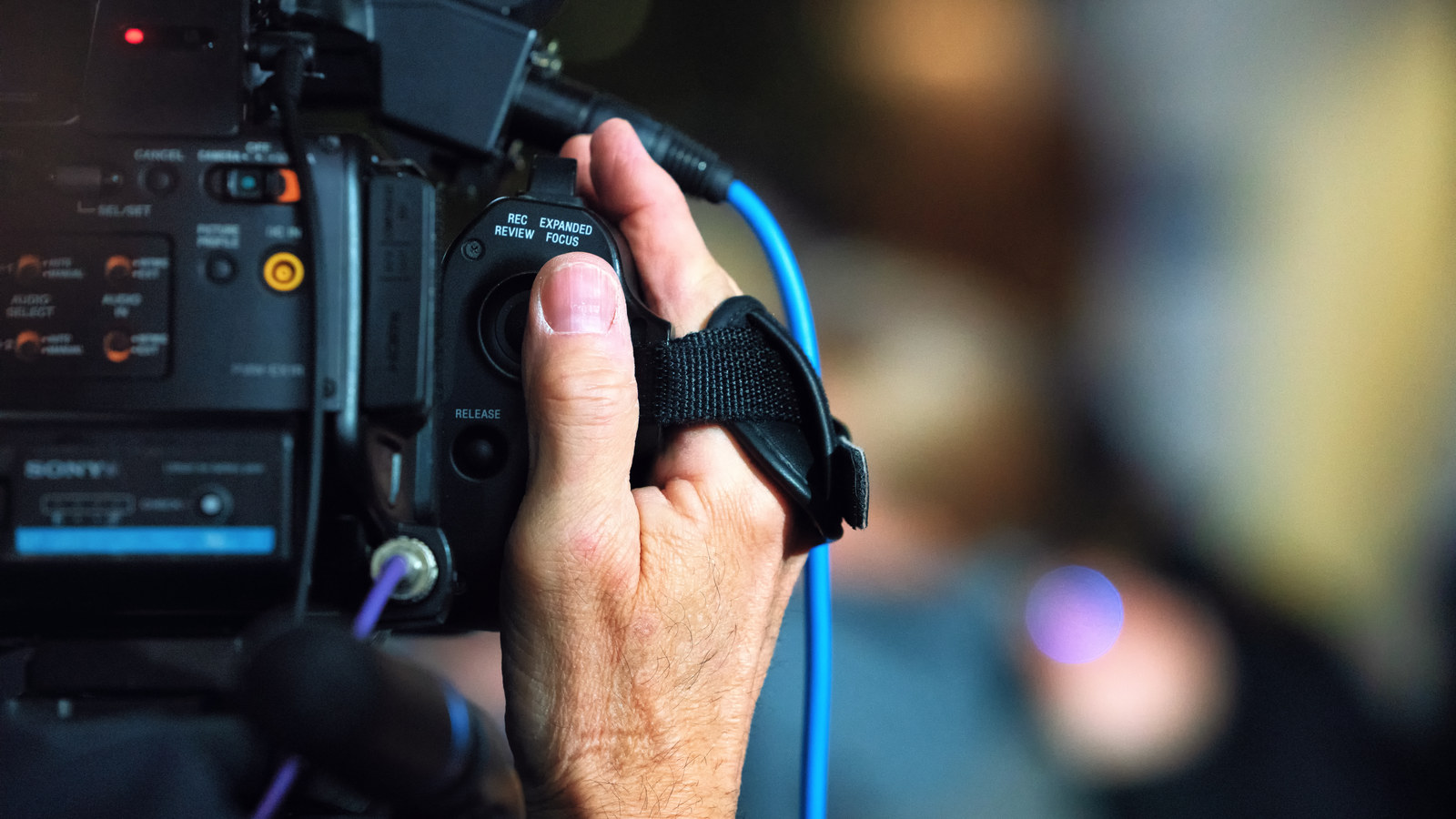
- Preserve
Keep the received file, hash it and log every derivative.
- Trace
Identify sender, capture device, path and publication history.
- Interview
Ask the source what happened before and after the frame.
- Provenance
Inspect metadata and signed manifests without treating them as truth.
- Analyse
Check frames, audio, lighting, motion, edits and discontinuities.
- Score
Use detector output as triage; record model, version and threshold.
- Review
Require a second human for consequential or disputed material.
- Publish
State confidence, remaining uncertainty and the corrections path.
Never publish a detector percentage without the clip history, threshold, model version and human review that gave it meaning.
PDF 21–24
Direct
When editing becomes a conversation, speed increases — and the author can lose sight of the decisions hidden between request and result.
Google Vids / 16 July 2026
The timeline becomes a conversation
Gemini Omni Flash lets Vids users edit footage with prompts and create clips with a personal avatar that looks and sounds like the account holder.
- Paid Workspace
- Avatars 18+
- SynthID included
Documented edits
- Relight footage or remove background clutter.
- Swap backgrounds, product colours or a character’s appearance.
- Change camera angle or visual style.
- Revise voiceover and on-screen text.
- Work step by step through natural-language instructions.
Personal-avatar setup captures the user’s face and voice and associates the avatar with that Google account. Google says access is limited to users aged 18 or older with English as their primary language preference. Admin controls and regional or account availability should be checked before a production plan assumes access.
Google says every video generated with Gemini Omni includes an imperceptible SynthID watermark identifying it as AI-generated. That is useful machine-readable provenance inside supported verification systems.
An invisible watermark is not the same as visible disclosure to an audience. It does not, by itself, explain which parts of a mixed clip were captured, edited or generated, nor whether a synthetic avatar is speaking approved words.
What is not established
- Identity stability in long or expressive clips.
- Repeatability across multi-prompt revisions.
- Disclosure of generated regions in mixed exports.
- Professional colour, audio and round-trip performance.
MANAZYR view / Opinion
Convenience can erase the productive struggle
Gemini Omni inserts a second intelligence into the exchange between intention and material — one that can invent the material it is asked to repair.
For internal communication, quick explainers and concept tests, the gains are obvious. A team can update a background, replace an obsolete product colour or prototype a presenter-led piece without rebuilding a shoot. That may turn one asset into many useful versions.
But ‘fix the lighting’ is not a neutral instruction. It contains aesthetic and evidentiary choices. If the system reconstructs a face, object or environment rather than grading captured pixels, the operation crosses from post-production into generation even when the interface presents one continuous conversation.
Personal avatars intensify that ambiguity. They remove the friction of appearing on camera, which is also the friction that proves someone was present, performed the words and accepted the moment. Consent at enrolment does not answer whether every future script is approved or whether an audience can tell the difference.
Our view: conversational editing should preserve a visible operation log. The export should state which intervals were captured, transformed or generated, and the visible disclosure should survive outside Google’s ecosystem. A watermark for machines is useful. A sentence for humans is still necessary.
The interface may be conversational. The record of what changed must be forensic.
Independent test plan
Five clips, one honest evaluation
A useful review must separate captured footage, conventional edit, generative transformation and avatar synthesis.
- Captured interview
Remove background clutter without changing face, hands, eyeline or voice.
- Product clip
Change only a product colour; compare edges, reflections, logos and temporal stability.
- Camera-angle request
Measure how much scene geometry is invented when the viewpoint moves.
- Personal avatar
Repeat the same script across emotion, pace, head turn and difficult phonemes.
- Mixed timeline
Combine capture and generation; inspect export disclosure and SynthID detection.
Pass conditions
- No unrequested identity or factual change.
- Stable result across frames and prompt revisions.
- Operation history understandable by a second editor.
- Visible disclosure for the audience plus machine-readable provenance.
- Account and admin controls that prevent unauthorised avatar use.
PDF 25–27
Optics as software
The modern lens is still glass and mechanics. It is also firmware, assignable controls, servo behaviour and a contract with the camera body.
Fujifilm / 9 and 15 July 2026
Buy the lens. Audit the roadmap.
The GF19–35mm T3.5 is a tangible addition to Fujifilm’s large-format cinema system. The ETERNA 55 firmware roadmap is a separate promise with separate dates.

The motorised GF19–35mm T3.5 PZ OIS WR covers 19–35mm, equivalent to roughly 15–28mm in 35mm terms. Fujifilm lists a constant T3.5, 23 elements in 15 groups, about 222mm length and 2.1kg weight.
US availability began 23 July at $5,499.95. The lens is designed to match the operating logic of the existing GF32–90mm T3.5, including cinema-style geared rings and electronic control on supported GFX bodies.
ETERNA 55 firmware 1.10 was available 15 July and focused on stability and usability. Version 1.20 or later is promised within 2026 with MXF playback, settings backup and restore, latency work and additional anamorphic desqueeze including Open Gate 4K 4:3.
Version 1.30 or later is scheduled for January 2027 or later with Auto ND behaviour, LANC and Duvo lens control. Those features are not part of today’s camera value.
Two signals / One direction
The lens is becoming an interface
Tamron pushes a full-frame zoom to 12mm at F2.8. Panasonic turns existing focus rings into assignable controls. One expands the frame; the other changes the hand’s relationship to it.
Tamron’s 12–20mm F2.8 (A084) uses 17 elements in 12 groups, VXD linear autofocus, a 0.18m minimum focus distance at 12mm, a fixed hood and an integrated rear-filter holder. The Sony E version weighs 570g; Nikon Z is 585g.
Sony E launched 30 July; Nikon Z was scheduled for 27 August. Tamron’s claims for edge sharpness, coma correction, flare and autofocus require independent optical and video testing.
Firmware 2.0 for the LUMIX S 14–28, 18–40, 28–200 and 70–300 lets the focus ring act as a configurable control ring and allows users to choose manual-focus rotation direction.
Compatibility includes S1II, S1RII, S1IIE, S5II, S5IIX and S9; several bodies also require current camera firmware. Panasonic documents no autofocus, stabilisation or optical-performance change in this release.
PDF 28–30
Signals and watch
July’s best tools preserve options. The weakest designs hide the conditions attached to those options.
Signal board
Two products that reveal the market’s direction
Neither story carries the issue on its own. Together they show demand for integrated range and ready-to-run creator systems.
Sony RX10 V / 9 July / €2,500
- Lens
- 24–600mm equivalent F2.4–4 integrated zoom
- Sensor
- 20.1MP 1-inch stacked sensor
- Speed
- Up to 30fps with AF/AE
- Video
- 4K 120p with a slightly narrower angle
- Status
- Pre-orders opened 9 July; regional availability varies
GoPro Mission 1 Pro Creator Edition / 29 July / $1,099.99 MSRP
- Camera
- MISSION 1 Pro
- Included
- Media Mod, Volta 2 battery grip and Wireless Mic Complete Kit
- Subscriber launch price
- $949.99 for eligible GoPro subscribers
- Status
- GoPro.com availability 29 July; retail followed in August
The month / Control map
July’s news, ordered by what it moves
This is not a ranking of brands. It is a map of where creative decisions are migrating.
| Date | Event | Control | Status | Practical shift |
|---|---|---|---|---|
| 7 Jul | Meta Muse Image | Generate | Available in selected surfaces | Decision-making moves inside the model |
| 9 Jul | Sony RX10 V | Capture | Pre-order / regional release | Range consolidated into one camera |
| 9 Jul | Fujifilm GF19–35 | Capture | Available 23 July in the US | Large-format zoom system becomes coherent |
| 10 Jul | Meta Instagram-reference rollback | Rights | Feature removed | Consent interrupts capability |
| 15 Jul | Tamron 12–20 F2.8 | Capture | Sony E available 30 July | Ultra-wide full-frame range expands |
| 15 Jul | ETERNA 55 roadmap | Operate | 1.10 available; later roadmap | Camera value splits into now and promised |
| 16 Jul | Gemini Omni in Vids | Direct | Paid Workspace / eligibility limits | Editing becomes conversational |
| 20 Jul | NVIDIA detector NIM | Verify | Private access / hosted demo | Triage gains a probability score |
| 22 Jul | Sony FX5 | Capture | Announced; ships from August | Acquisition becomes a multi-delivery source |
| 29 Jul | LUMIX lens firmware | Operate | Firmware available | Lens ring becomes software-defined |
| 29 Jul | GoPro Creator Editions | System | Available at GoPro.com | Accessories become the proposition |
MANAZYR Watch / Decisions, not hype
What we would do next — and what we would not assume
A monthly magazine earns trust by leaving claims open when the evidence is open.
| Product or system | Position | What still needs to happen |
|---|---|---|
| Sony FX5 | Shortlist / test | Measure rolling shutter, latitude, thermal behaviour, X-OCN workflow and real accessory load before purchase. |
| Muse Image | Use with rights guardrails | Do not use public likenesses or reference material without explicit permission and an export record. |
| Muse Video | Wait | Preview only; no availability date and acknowledged motion or audio-sync gaps. |
| NVIDIA detector | Pilot, never verdict | Evaluate on local newsroom footage and preserve human review, provenance and source checks. |
| Gemini Omni | Low-risk pilot | Test non-sensitive footage; require visible disclosure and account-level avatar control. |
| Fujifilm GF19–35 | System fit | Judge the physical lens now; do not price future ETERNA firmware as delivered. |
| Tamron 12–20 | Wait for optical tests | Verify corners, coma, flare, distortion, breathing and autofocus on the actual mount. |
| LUMIX firmware | Update with preflight | Confirm body and lens versions, charge the battery and test assigned-ring behaviour before a job. |
Buy what is available, test what is measurable, and never let a roadmap, watermark or classifier borrow certainty it has not earned.
Sourcebook / Primary sources
The evidence behind the issue
Sources are compact, but never optional. They separate documented fact from MANAZYR interpretation and let readers revisit a claim after products, prices or roadmaps change.
- Sony Europe — FX5 announcement
· features, EU price, availability and the 2027 firmware roadmap
- Sony Europe — Image Usage Rights and T&Cs
· Media Use conditions for official press assets
- Meta AI — Introducing Muse Image and Muse Video
· agentic generation, availability, Content Seal and video limitations
- Meta — Muse Image product announcement and update
· product surfaces and removal of the Instagram-reference feature
- NVIDIA Blog — SIGGRAPH 2026
· detector launch, intended use and vendor benchmarks
- NVIDIA Documentation — Synthetic Video Detector NIM
· documented service and API surface
- Google Workspace — Gemini Omni Flash in Vids
· prompt editing, personal avatars and SynthID
- Fujifilm — GF19–35mm T3.5 PZ OIS WR
· lens specifications, US price and availability
- Fujifilm — GFX ETERNA 55 firmware roadmap
· versions 1.10, 1.20+ and 1.30+
- Tamron — 12–20mm F2.8 (A084)
· specifications and mount release dates
- Panasonic LUMIX — 2026 firmware updates
· control-ring changes for four S lenses and body dependencies
- Sony Europe — RX10 V announcement
· specifications, EU price and availability
- GoPro — Mission 1 Creator Editions available
· bundle contents, prices and channel availability
Date
Event dates, availability and status were rechecked against official pages on 13 August 2026.
Claim
Manufacturer performance figures remain vendor claims unless independent evidence is named.
Originality
No article text is copied. Facts are independently structured, connected and interpreted.
Visual rights / No AI photography
Real images. Clear boundaries.
Every photograph is real. Exact products are exact; contextual images are labelled as context. The full record below states the source, licence or usage basis, modification and limitation for every image used by the issue.
Sony FX5 official press image
Credit: Sony Europe
Licence or basis: Media Use
Modification: Image content unmodified; technically resized for the web reading edition and scaled inside the PDF editorial field.
Contextual limit: Exact Sony FX5 product image; use remains limited to related editorial coverage.
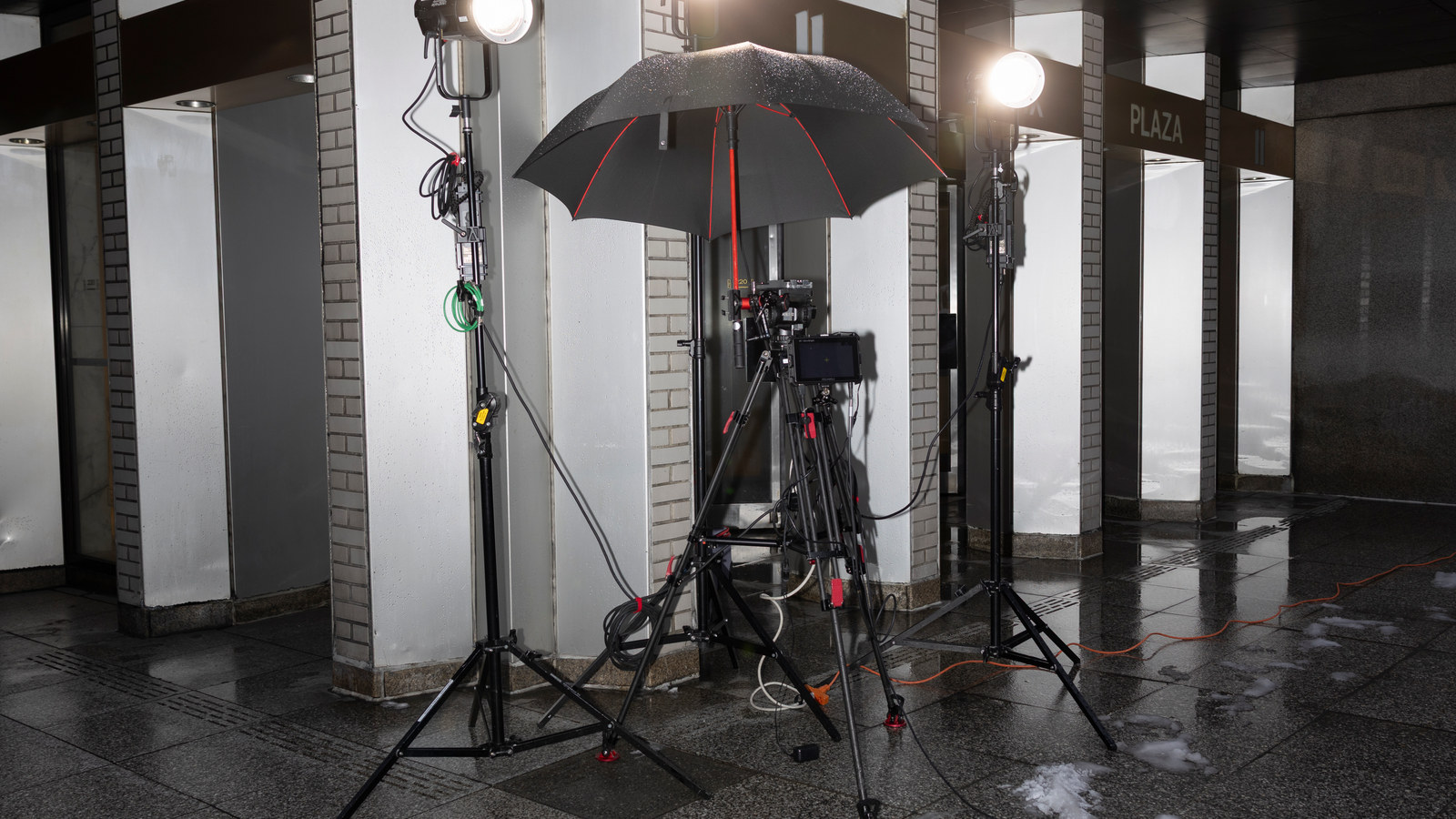
Field Production Lighting and Camera Rig 2
Credit: Tessa Bury
Licence or basis: CC BY 4.0
Modification: Cropped to 16:9, resized and JPEG-optimised for web and PDF; additional editorial crop in the PDF layout.
Contextual limit: Contextual field-production rig; not Sony FX5 hardware.
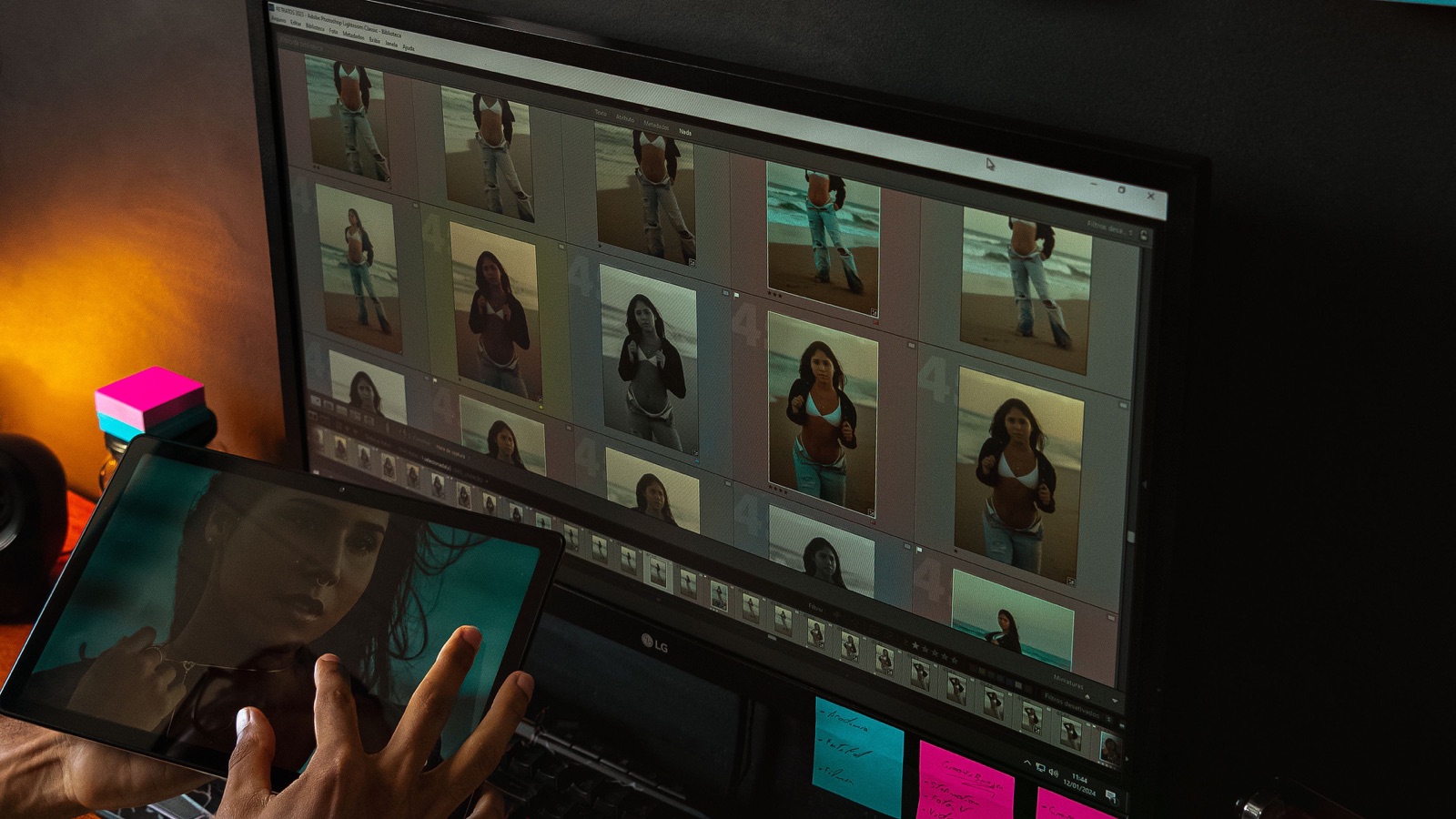
Photographer reviewing and editing images
Credit: Lucas Andrade
Licence or basis: Pexels License
Modification: Cropped to 16:9, resized and JPEG-optimised for web and PDF; additional editorial crop in the PDF layout.
Contextual limit: Real editing workflow; not Meta Muse and not an AI-generated output.
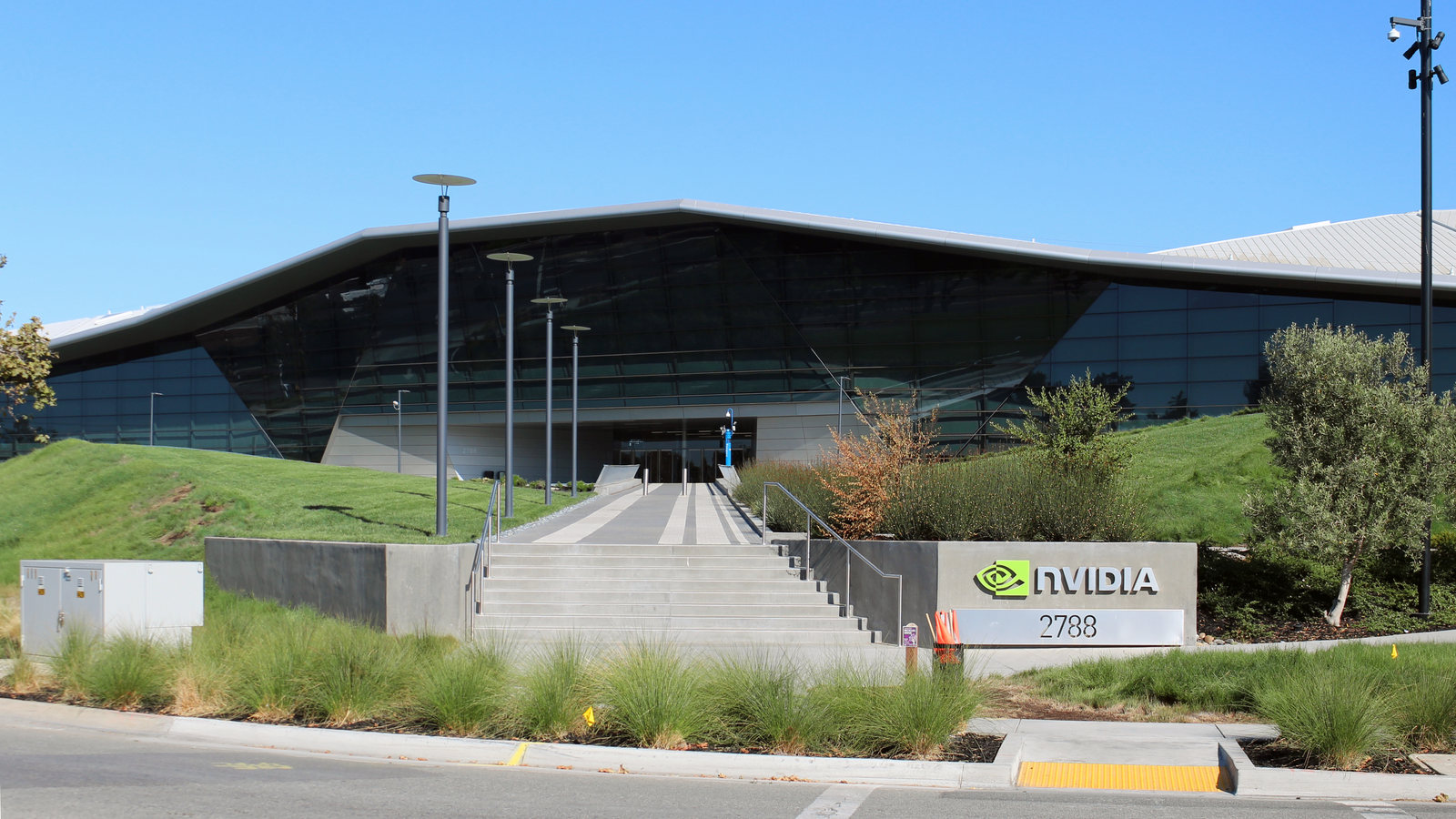
NVIDIA Headquarters
Credit: Coolcaesar; perspective correction by Jacek Halicki
Licence or basis: CC BY-SA 4.0
Modification: Cropped to 16:9, resized and JPEG-optimised for web and PDF; adapted image remains CC BY-SA 4.0.
Contextual limit: Contextual headquarters photograph; not the Synthetic Video Detector.
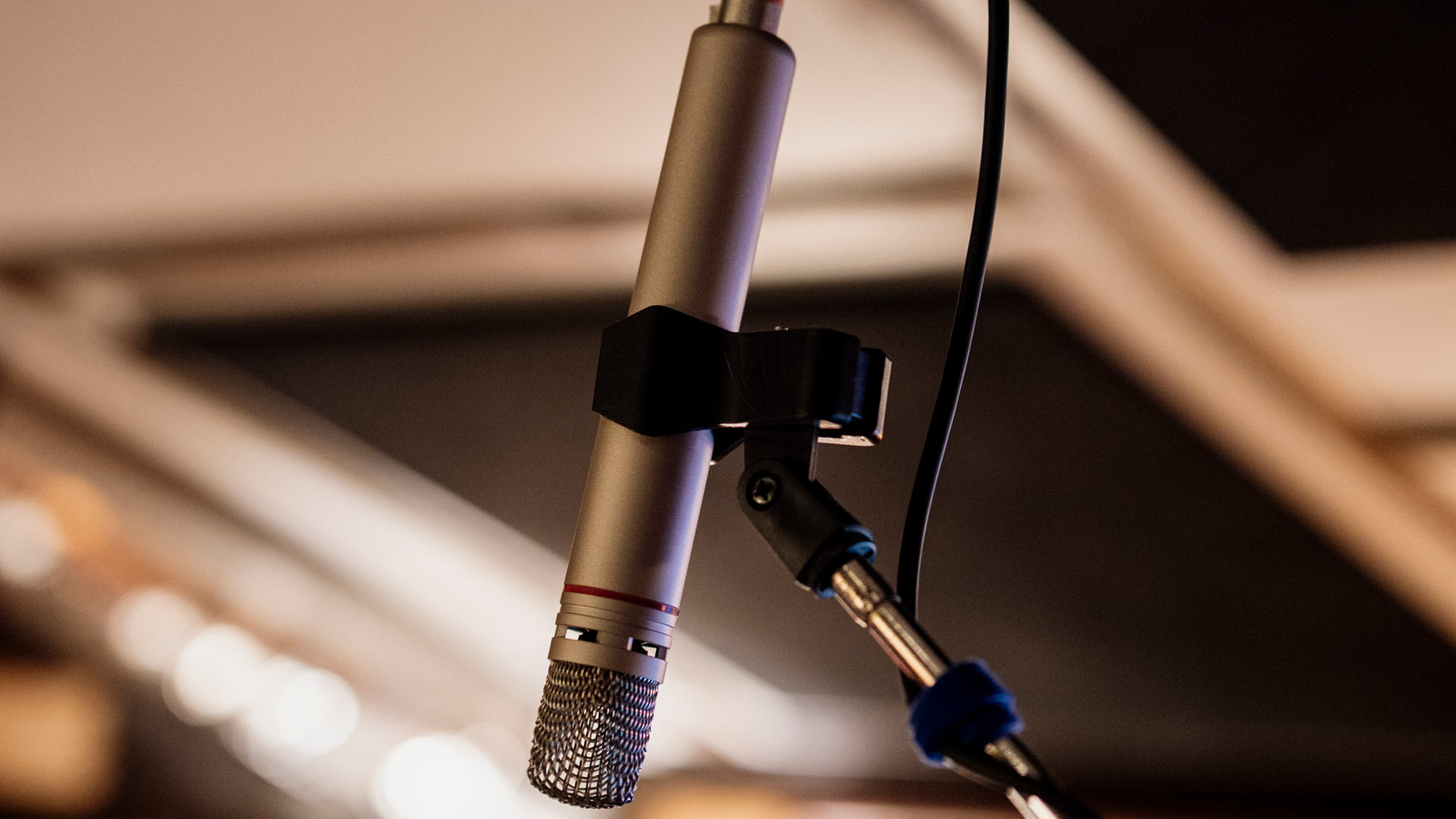
Recording-studio microphone
Credit: Shixart1985
Licence or basis: CC BY 2.0
Modification: Cropped to 16:9, resized and JPEG-optimised for web and PDF; additional editorial crop in the PDF layout.
Contextual limit: Contextual real microphone; not Google Vids or a generated avatar.
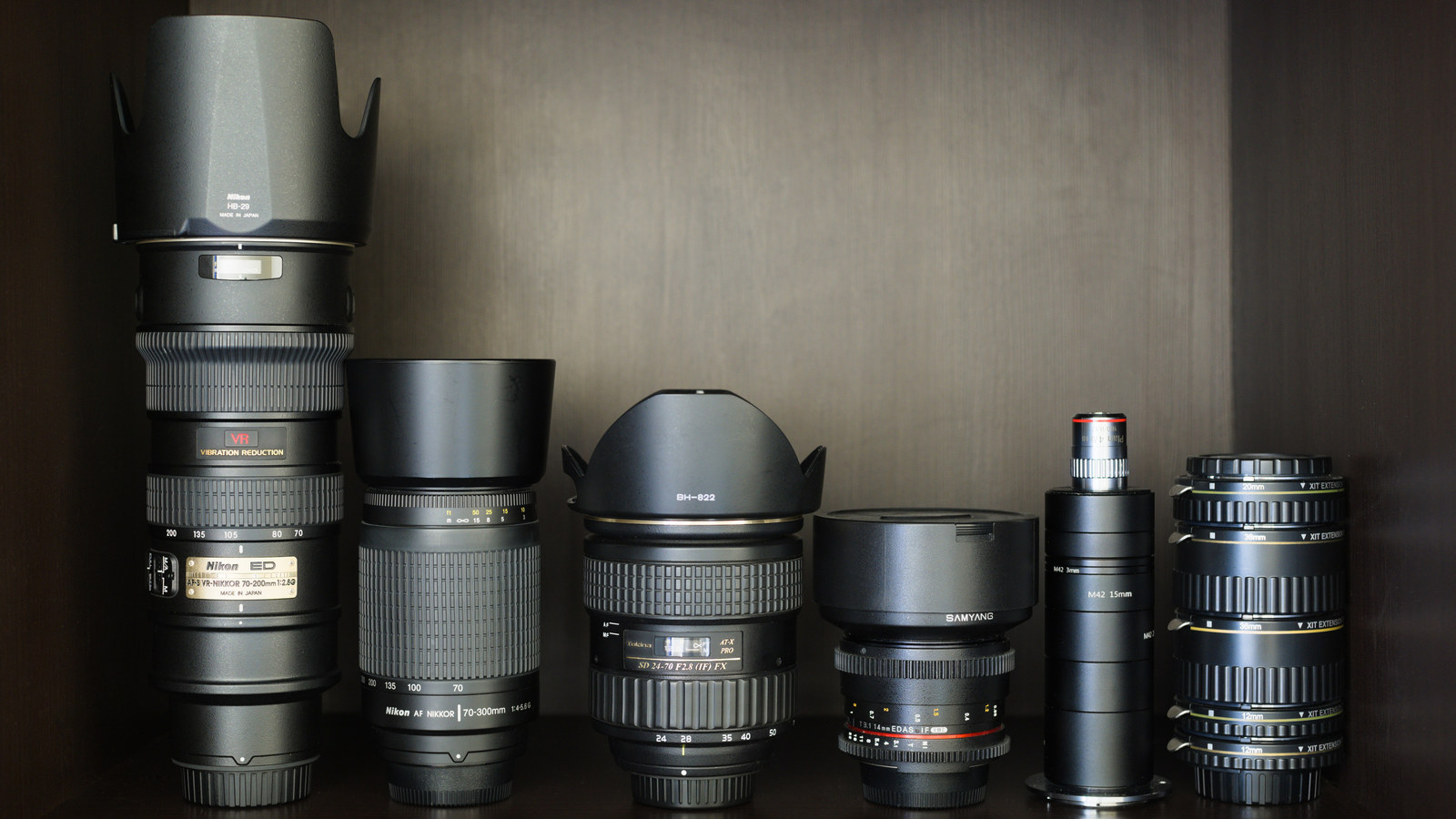
Photographic lenses and tubes 2025
Credit: Cvmontuy
Licence or basis: CC BY 4.0
Modification: Cropped to 16:9, resized and JPEG-optimised for web and PDF; additional editorial crop in the PDF layout.
Contextual limit: Mixed lens collection; not one manufacturer's lineup.
Focus puller adjusts a Panavision camera
Credit: Elio Yañez / Taifa Photography
Licence or basis: CC BY 2.0
Modification: Cropped to 16:9, resized and JPEG-optimised for web and PDF; additional editorial crop in the PDF layout.
Contextual limit: Real focus-pulling context; not Fujifilm hardware.
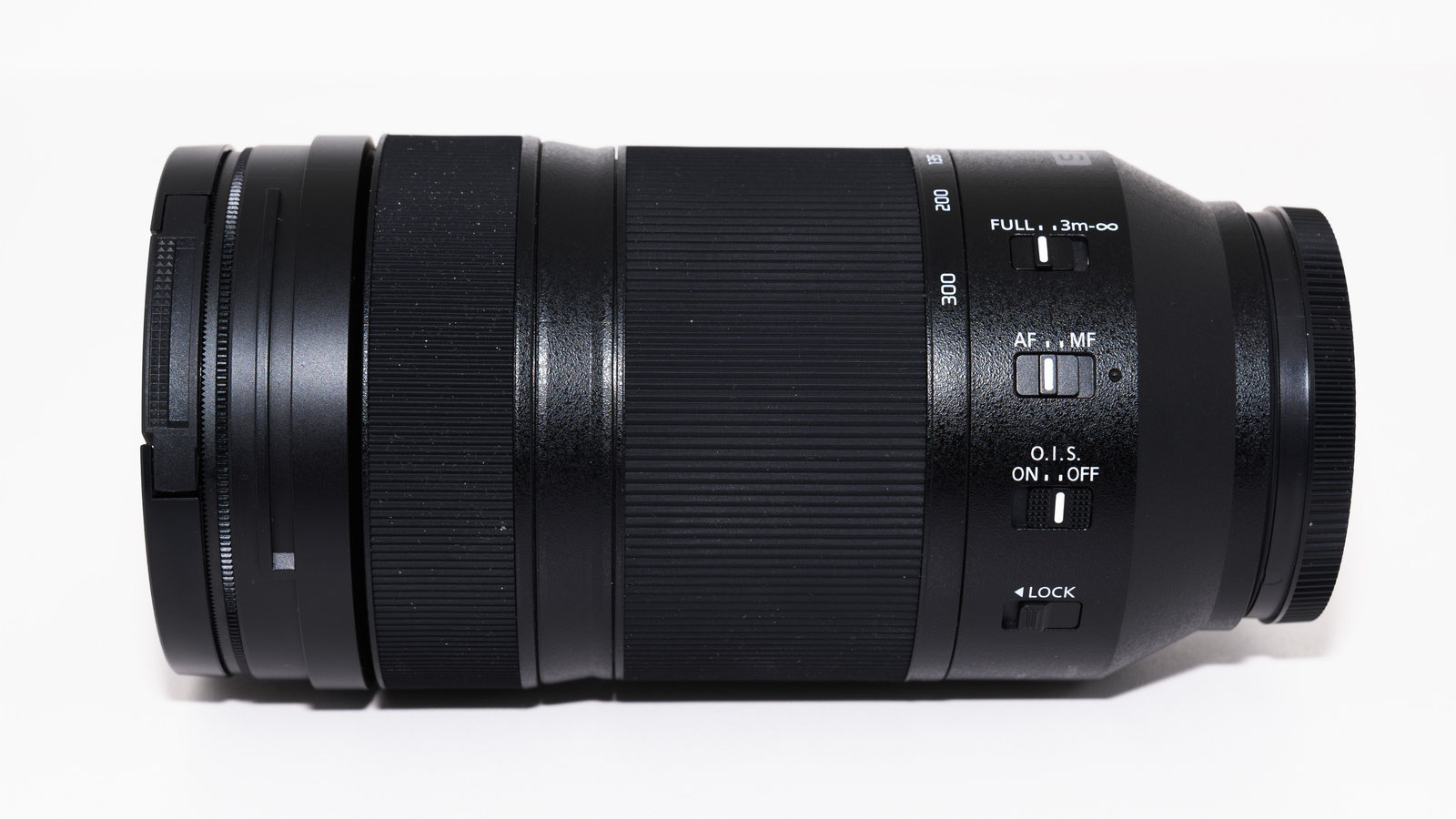
Panasonic LUMIX S 70-300mm F4.5-5.6 Macro O.I.S.
Credit: TurnOnTheNight (EXIF: POLLARD)
Licence or basis: CC0 1.0
Modification: Cropped to 16:9, resized and JPEG-optimised for web and PDF; additional editorial crop in the PDF layout.
Contextual limit: Exact lens; the photograph does not demonstrate firmware behaviour.
Photojournalist - news camera operator
Credit: Tony Webster
Licence or basis: CC BY 2.0
Modification: Cropped to 16:9, resized and JPEG-optimised for web and PDF; additional editorial crop in the PDF layout.
Contextual limit: Contextual 2019 press-conference image; not NVIDIA or a July 2026 event.


.jpg)
No synthetic photography. No generative fill. No borrowed certainty.