What happened
NASA updated its Perseids page on August 11 and lists the 2026 peak night as August 12–13. The shower remains active through August 24. Under dark skies, the current fast-facts estimate is about 25 meteors per hour, not a guaranteed count for every location or every hour.
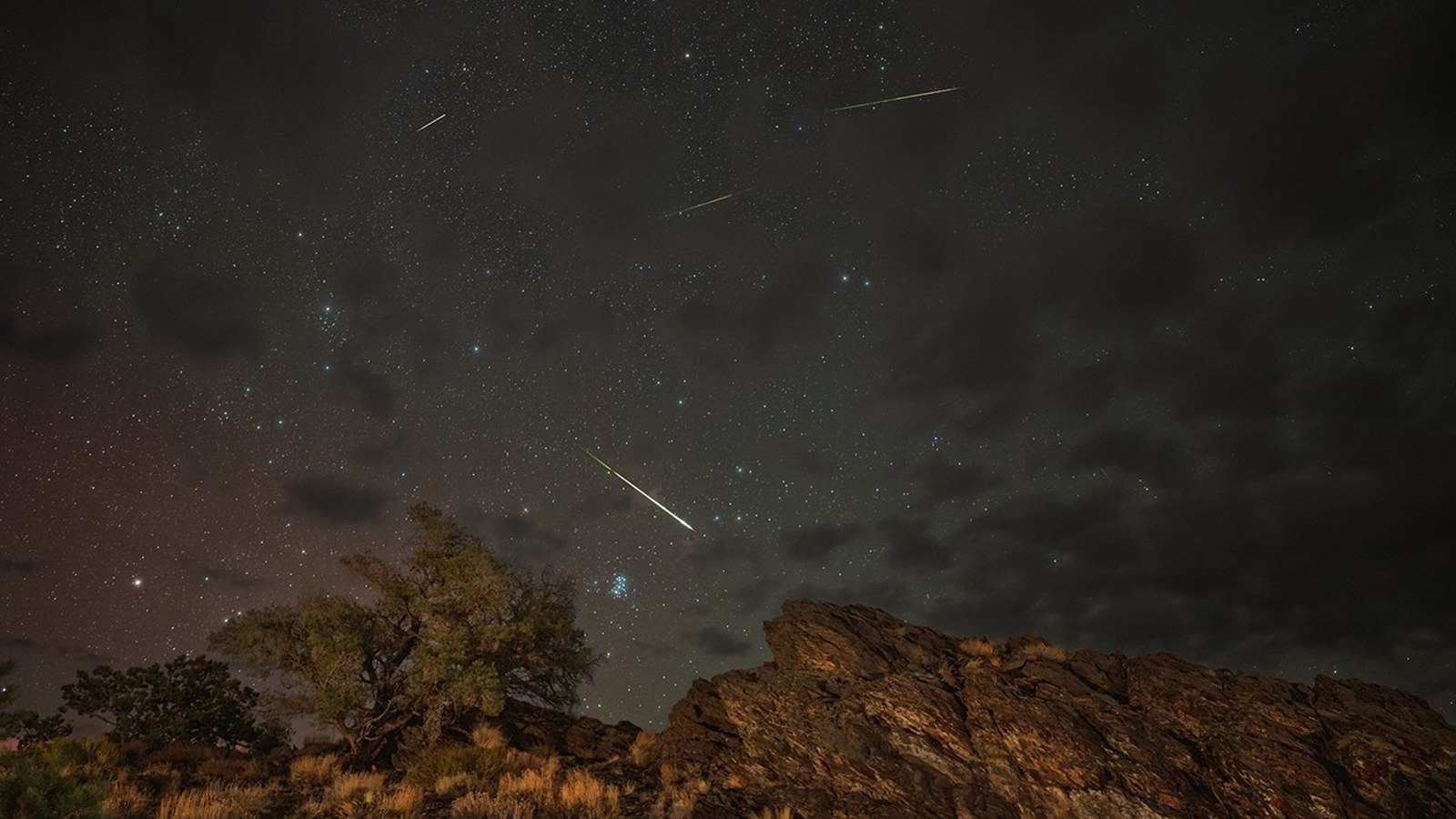
Perseid meteors travel at about 59 kilometres per second and can leave bright, persistent trails. NASA recommends the Northern Hemisphere before dawn as the best viewing window, although some activity can be visible from around 10 p.m. The radiant is in Perseus, but the constellation is a directional reference rather than the physical source; the particles originate from comet 109P/Swift–Tuttle.
Why it matters
For photographers, planning is more decisive than camera-brand choice: a genuinely dark location, a clear horizon, safe access and enough time increase the chance of a useful frame. A composite can truthfully communicate activity across an interval, but documentary publication should state when multiple exposures were combined rather than presenting the result as one moment.
What we're watching
The astronomical window is global, but useful visibility is local. Creators should check current cloud cover, artificial-light conditions, access rules and personal safety before travelling, and should not infer a guaranteed rate from NASA’s dark-sky estimate. Any NASA visual considered for publication still requires an item-level credit and rights check because the agency’s media policy excludes some third-party material and restricts implied endorsement.